

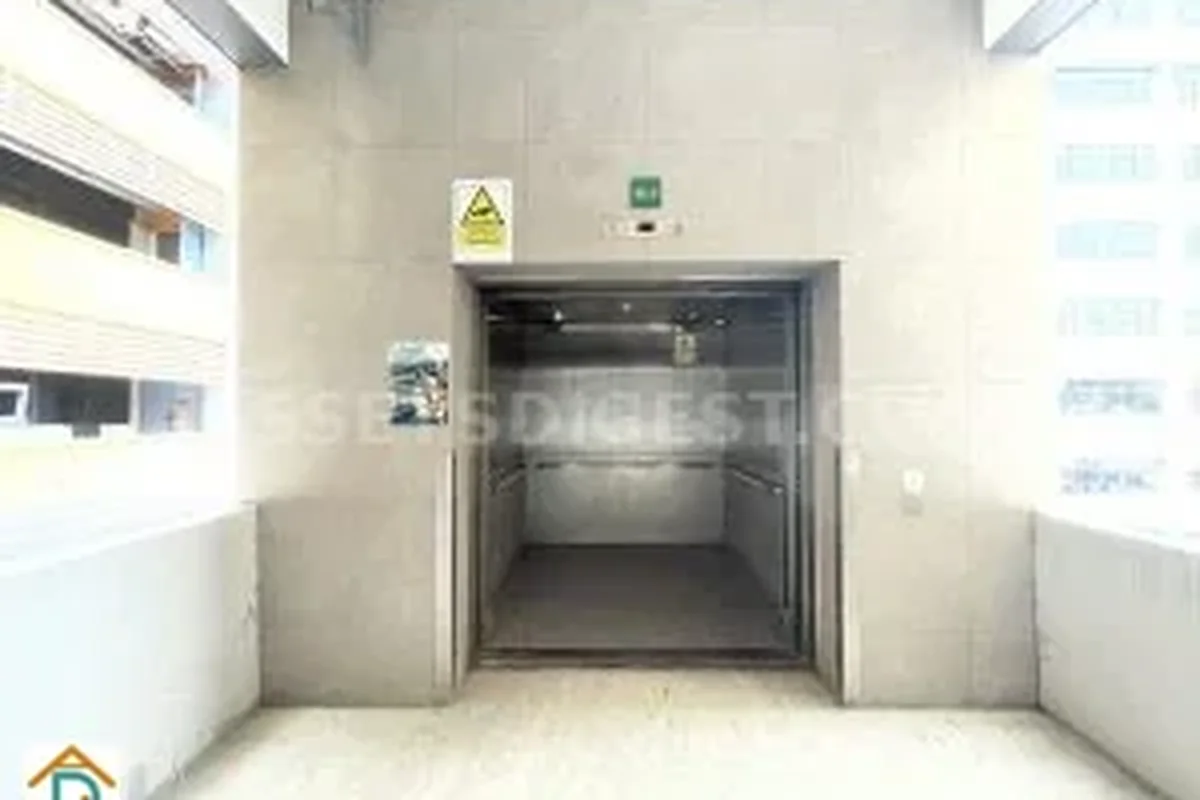
The scenario plays out regularly in Jurong and across Singapore’s industrial estates: a manufacturing SME signs a two-year flatted factory lease, moves in their equipment, and six months later discovers two things. The upper-floor loading limit can’t support their heaviest machine, and their morning delivery schedule keeps clashing with the shared goods lift. The goods lift is the origin of that scheduling problem. In a flatted factory, the goods lift is the artery of daily operations. It determines how quickly you can move pallets from the loading bay to your floor, whether your equipment supplier can deliver to your unit, and how much of your morning is spent waiting with a pallet jack in a corridor. The passenger lift exists for a different purpose entirely, and confusing the two creates problems that building management will not let you ignore.
What Makes Them Different
Goods lifts are built for freight. The structural specification, cabin dimensions, door width, and weight capacity are all designed around pallets, trolley loads, pallet jacks, and small powered industrial equipment. In JTC flatted factories, goods lift capacities typically range from 1,000 kg to 3,000 kg; some newer buildings offer higher capacities. The cabin is larger than a passenger lift to accommodate pallet loads, and the door openings are wider to allow forklift entry in smaller lifts.
Passenger lifts are built for people. Weight limits are typically 630–1,000 kg per lift. Cabin dimensions cannot accommodate a pallet or any powered industrial equipment. Using a passenger lift to move goods, even a heavy piece of equipment carried by hand, violates the building’s fire safety certification and insurance coverage. Building management in JTC estates actively enforces this restriction.
The distinction matters because the goods lift is a shared operational resource, while the passenger lift is a life-safety system for occupant evacuation. Compromising the passenger lift’s certification for freight purposes creates direct liability exposure.
Why Goods Lift Availability Shapes Your Operations
In a multi-tenant flatted factory, the goods lift is the sole vertical transport mechanism for all freight moving between the loading bay and upper floors. This has direct operational consequences.
Scheduling constraints are structural, not managerial. During peak loading windows, typically 9:00–11:00 am when multiple tenants receive deliveries, a single goods lift shared across a floor or block creates queueing. The duration of each goods movement depends on what you are moving, how your staff are with the equipment, and whether the loading bay below is occupied when the lift returns. A single delayed or blocked lift cycle ripples through the morning’s delivery schedule.
Goods lift capacity determines what you can actually install. Every item that needs to reach your upper-floor unit must fit within the goods lift’s dimensions and weight rating. This includes equipment purchased after you move in. A common mistake is specifying a machine that needs to be delivered after lease commencement, only to discover the supplier’s vehicle cannot get the equipment into the lift. At that point, the options are expensive: crane installation through a window or roof opening, or replacing the equipment with a smaller alternative. Neither is cheap.
Goods lift maintenance affects your operations directly. When a goods lift is taken out of service for maintenance or repair, a regular occurrence in any building with shared equipment, your freight movements must either wait or use an alternative route if one exists. Some buildings have a secondary goods lift that can serve as backup; others do not. Confirm the building’s maintenance contingency before committing.
What to Find Out During a Viewing
Do not rely on the listing description. Ask building management or your agent for the following specifics:
How many goods lifts serve your floor or block? One goods lift serving 20+ tenants is materially different from two. Ask what the building management’s own goods lift scheduling system looks like and whether formal booking is required or available.
What is the goods lift’s rated capacity and internal dimensions? Get the figures in kg for weight and cubic measurements for the cabin. Calculate whether your largest typical load (pallets, equipment, materials) can fit in a single lift movement. If it cannot, your loading process requires more lift cycles and more time.
What is the door width and opening height? Some goods lifts have wide double-door configurations; others have single narrow doors that require awkward loading angles. Confirm what you are working with before planning your layout.
What are the operating hours? Some older JTC buildings have goods lifts that run only during specific hours. If your operations require freight movement outside those hours, the building may not be suitable.
What happens during goods lift maintenance? Ask how building management communicates lift outages, how long typical maintenance windows last, and whether any alternative freight access is available. A building with a secondary goods lift as backup is materially more resilient than one with a single lift.
Are there freight charges or usage fees? In some JTC estates and private developments, goods lift usage is included in service charges; in others, a per-use freight charge applies. Confirm this before calculating your total occupancy cost.
When Goods Lift Constraints Should Push You Toward Ramp-Up
If your operations involve frequent heavy freight movement (daily pallet deliveries, regular equipment installation, or any activity where loading speed directly affects your throughput), the goods lift dependency in a flatted factory is a recurring cost in time and labour that compounds over the lease term.
The alternative is a ramp-up building, where the ramp provides direct vehicle access to your floor without goods lift queueing. The trade-off is a higher rent per sq ft and typically larger minimum unit sizes. The math works in favour of ramp-up for businesses where the time saved on loading and equipment installation generates operational value that exceeds the rental premium.
The JTC space types overview covers this trade-off in the context of the full building type comparison. If your goods movement frequency is the primary operational constraint driving this decision, the ramp-up article covers the access realities in detail.
The Bottom Line on Goods Lift vs Passenger Lift
The goods lift is the central logistics constraint in any flatted factory. Its capacity, dimensions, scheduling system, and maintenance profile directly determine how efficiently you can move goods in and out of your unit on a daily basis. Understanding these constraints before you commit to a lease prevents the discovery, six months in, that your equipment cannot physically fit in the lift you assumed would work.
Bring the specific dimensions of your most critical inbound equipment to every viewing. Confirm the goods lift capacity and dimensions against those figures. Ask about scheduling systems, maintenance contingencies, and any freight usage charges.
The viewing checklist covers the full set of logistics questions to ask for any flatted factory or ramp-up unit, including the goods lift specifications that matter most for operational planning.
For a broader comparison of ramp-up vs flatted factory access, see the ramp-up vehicle access article.
References
- BCA — Lift and Escalator Act Requirements — BCA’s regulatory framework for goods lift and passenger lift certification
- BCA — Building Control — Lift installation standards and safety requirements
- JTC Corporation — Flatted Factory Listings — JTC flatted factory specifications including goods lift details
- MOM — Workplace Safety and Health Act — Workplace safety requirements for goods handling and lift usage in industrial premises
- SCDF — Fire Safety Requirements for Lift Shafts — Fire safety specifications affecting goods lift and passenger lift design
- WSH Council — Safe Lifting Operations — Workplace safety guidelines for lifting operations in industrial settings
- BCA — Goods Lift Certification Standards — Certification and periodic inspection requirements for goods lifts
- URA Master Plan — Zoning context for industrial building specifications