

A Singapore industrial tenant collected keys for their new unit without attending the handover walk personally. They sent a staff member who signed the handover form without checking the electrical panel, which turned out to have a documented fault from the previous tenancy. At lease end, the landlord attributed the fault to the new tenant. The deposit was partially retained. The staff member had not been briefed on what to check, carried no documentation, and had no template for recording defects. There was no photographic record of the panel condition at handover. The landlord’s version of events prevailed because the tenant could not disprove it.
The site handover is where your lease record starts. What you document at this point (condition, defects, meter readings, access) becomes the baseline for your entire tenancy and the reference point for reinstatement at lease end. Treat it as a legal record, not a formality. This checklist covers everything to verify and document on the day of key collection.
Pre-Handover Preparation
Confirm the handover date and time in writing with the landlord or property manager. Prepare a camera, laser meter, notepad, and the tenancy agreement with reinstatement clauses highlighted. Have a defects template ready: a simple form listing areas to inspect. Arrange for your contractor to attend if possible; they will catch technical issues you might miss. Confirm utility account activation status before the handover date. Pre-read the tenancy agreement’s handover and reinstatement clauses, and know what “original condition” means before you see the unit.
Keys, Access Cards, and Security
Collect all keys: unit door, roller shutter, electrical panel, any secondary doors or rooms. Record the quantity of each key type. Obtain all access cards (building entry, goods lift, loading bay, parking) and confirm the process for replacements if cards are lost. Note security protocols and after-hours access procedures. Confirm how many sets are provided and whether spares are available.
Unit Condition Inspection
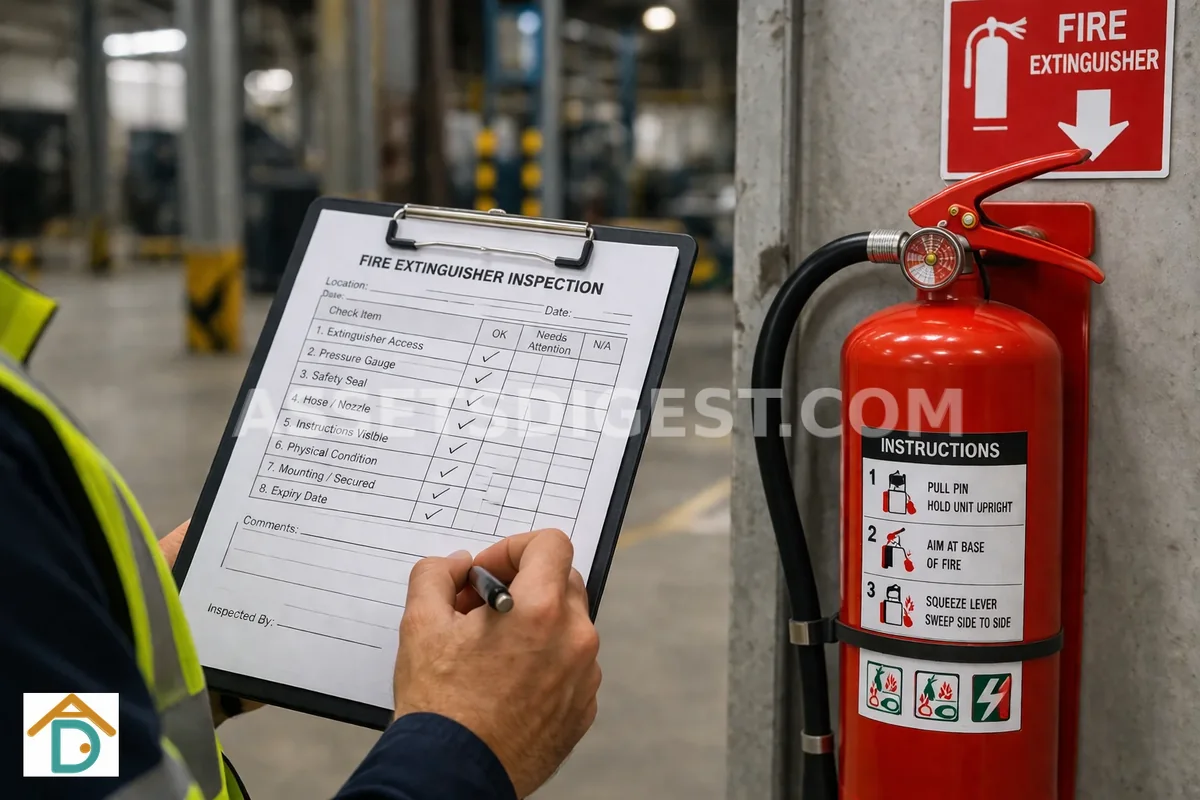
Inspect and photograph every surface systematically: walls and ceiling for cracks, stains, or damage; floor for screed condition and any cracks; doors, windows, and roller shutters for operation and lock functionality; electrical panel for condition and any damage; plumbing, run taps and check for leaks; fire equipment including extinguishers, hose reels, and exit signs. Note any items left by the previous tenant and document their condition. Every defect should be photographed and described with its location marked on the floor plan.
This inspection is your only opportunity to establish the pre-existing condition of the unit. Without a documented record, any future claim by the landlord about damage during your tenancy becomes difficult to dispute. See the photo documentation protocol for the full procedure on photographing and recording defects.
Utility Meter Readings
Record readings for electricity, water, and gas meters. Photograph each meter with the reading clearly visible. Both tenant and landlord or property manager should be present and sign off on the readings. Initiate account transfers promptly with SP Services for electricity, PUB for water, and the gas retailer for piped gas. See the utilities meter reading checklist for the full procedure including which meters to record and how to handle sub-meters.
Building Operations
Obtain details of the loading bay scheduling system and booking process, goods lift operating rules, waste collection arrangements, renovation approval procedures, and emergency contact numbers. These operational details affect daily activities from day one, and missing them is a common cause of early-tenancy disruption. See the access and loading rules checklist for everything to confirm at handover.
Previous Tenant Items
Clarify with the landlord which items left by the previous tenant are included in the tenancy and which must be removed. Document the condition of any accepted items. If items should have been removed, get the landlord’s written commitment to clear them by a specific date.
Post-Handover
Compile all photos and notes within 48 hours of handover. Send a summary email to the landlord documenting the condition and meter readings. File all records securely. Begin contractor procurement and fit-out planning immediately; delays in these steps affect the move-in timeline. Do not assume the landlord will act on your notes. Create your own written record.
Summary
Prepare before handover: confirm date, bring documentation and camera, invite your contractor if possible. At handover, collect all keys and access cards, photograph every surface, record all meter readings with both parties present, and obtain building operational details. Send documentation to the landlord within 48 hours requesting acknowledgement. The written record you create at this point protects your deposit at lease end.
For the full photo documentation protocol, see Photo Documentation Protocol. For utilities, see Utilities Meter Reading Checklist. For building operations, see Access Cards, Loading Schedules & Contractor Rules. Before starting any renovation work following handover, also complete the Compliance Pre-Reno Checklist.
References
[1] URA — Changing the Use of Your Property (for business). https://www.ura.gov.sg/Corporate/Property/Business/Change-Use-of-Property-for-Business
[2] SCDF — Fire Safety (Acts, Codes & Regulations). https://www.scdf.gov.sg/fire-safety-services-listing/downloads/acts-codes-and-regulations
[3] URA — URA maps (Master Plan / zoning lookup). https://www.ura.gov.sg/maps/
[4] BCA — Building and Construction Authority (building works, structural requirements). https://www1.bca.gov.sg/safety-and-standards/building-control-act/
[5] EMA — Energy Market Authority (electricity supply standards, licensed electrical workers). https://www.ema.gov.sg/our-energy-story/energy-market-landscape
[6] ESG — Singapore Government resources (licences, permits, regulations overview). https://www.enterprisesg.gov.sg/