

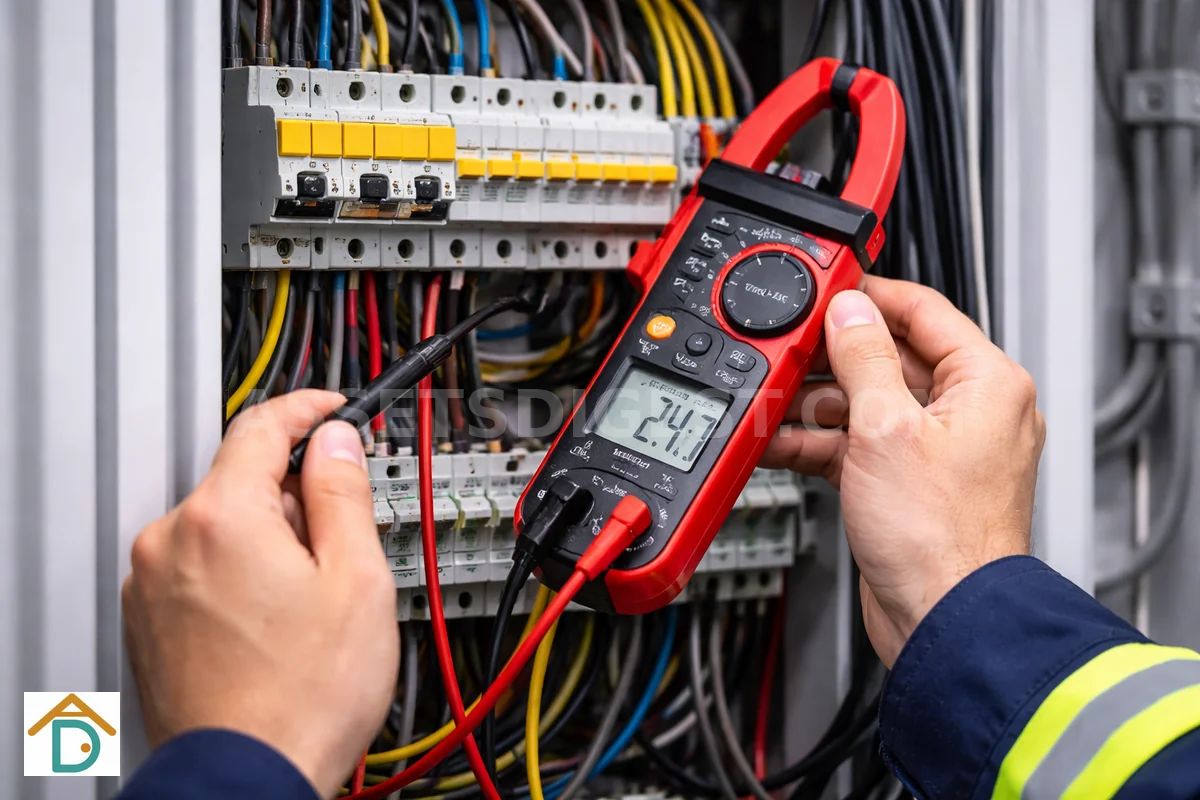
A Singapore industrial tenant took over a unit and started operating without checking the electricity meter at handover. Three months later, the first bill arrived, and it included two months of charges from the previous tenant’s usage. The tenant spent six weeks disputing the bill with SP Services, unable to prove the meter had not been running at the handover reading. There was no photograph of the meter. There was no signed record of the reading. There was no documentation of what the meter showed on the day of handover.
Undocumented meter readings at handover mean the tenant may be billed for the previous occupant’s usage. For industrial tenancies with significant utility consumption, this can represent thousands of dollars in unexpected charges. Taking meter readings at handover and transferring accounts promptly prevents disputes. This checklist covers the complete procedure.
Meters to Record
Electricity meters are typically located near the electrical panel or in a building meter room. Water meters are usually in the building’s meter panel or near the unit’s entry point. Gas meters are near the supply connection point. Some industrial units have sub-meters for air conditioning or chilled water. Note these if present. Confirm with building management which utilities are metered separately and which are included in the service charge. Not all buildings use the same model; some include water in service charges with no individual meter.
For each meter present, record the meter serial number (printed on the meter body, the unique identifier), the current reading, the date and time of reading, and photograph the meter display clearly.
How to Record
For each meter, note the meter serial number and current reading, the date and time of the reading, and photograph the meter display clearly. Both the incoming tenant and the landlord or property manager should be present and agree on the readings. Sign and date a record of the readings. This becomes part of the tenancy documentation. The signed record with both parties present carries more weight than a photograph alone if a dispute arises later. See the photo documentation protocol for how to photograph meters as part of the broader handover record.
Account Transfer Process
Apply to SP Services online to transfer the electricity account; the process is digital and straightforward. Apply to PUB for the water account. For piped gas, apply directly to the gas retailer. Start these applications one to two weeks before handover, since processing takes several working days. If accounts are not transferred before the handover date, the tenant may face penalty charges or be billed at a higher rate. Confirm with SP Services whether the transfer can be backdated to the handover date or whether a new account from the transfer date is the only option.
At Lease End
Record final meter readings at lease end. Close accounts with SP Services, PUB, and the gas retailer using the final readings. Settle accounts promptly to avoid deposit retention disputes. Take photographs of each final reading at move-out using the same procedure as at handover. This documents the ending point for the next tenant and protects you if the landlord claims outstanding utility charges after your departure.
Summary
Record electricity, water, and gas meter readings at handover with both parties present and signed off. Apply for account transfers one to two weeks before handover to avoid penalty charges. Photograph all meters with readings clearly visible. Repeat the process at lease end with final readings and close all accounts.
For the full handover procedure this checklist supports, see Industrial Site Handover Checklist. For photo documentation, see Photo Documentation Protocol.
References
[1] SP Services — Electricity account services. https://www.spservices.sg/
[2] PUB — Water supply account. https://www.pub.gov.sg/
[3] EMA — Energy Market Authority (gas supply regulations, gas safety). https://www.ema.gov.sg/GasSupply.html
[4] City Gas — Piped town gas account and services. https://www.citygas.com.sg/
[5] BCA — Building and Construction Authority (structural requirements for industrial buildings). https://www1.bca.gov.sg/safety-and-standards/building-control-act/
[6] URA — Changing the Use of Your Property (for business). https://www.ura.gov.sg/Corporate/Property/Business/Change-Use-of-Property-for-Business