

In multi-tenant industrial buildings, neighbours directly affect day-to-day operations. Noise, odour, vibration, and complaint history shape what a tenant can actually do in their unit, regardless of what the lease or approved use permits. Fifteen minutes of structured observation during a viewing reveals information that listing details and landlord representations do not.
By the end of this guide, you will have a 15-minute structured observation protocol to quickly identify neighbour risk signals during viewings and assess whether a unit suits your operations before signing.
Listen for three minutes
Stand near windows with them open and note what is audible. Listen for compressor hum, machinery noise, baking or cooking operation sounds, loading bay activity, and any distinctive sounds that suggest processes beyond typical office or light storage use. Walk past neighbouring unit doors and note the sounds coming from within. Record whether observations are during a quiet period or what appears to be a peak operational time: this context matters when assessing impact.
Smell for two minutes
Walk the corridors and common areas and note any odour present: cooking oil, chemical smells, paint, adhesives, solvents, or other distinctive industrial scents. Pay particular attention to common stairwells and lift lobbies where odours travel between floors. In food production buildings, residual cooking odour in corridors and common areas is a common indicator of tenant mix issues.
Look for five minutes
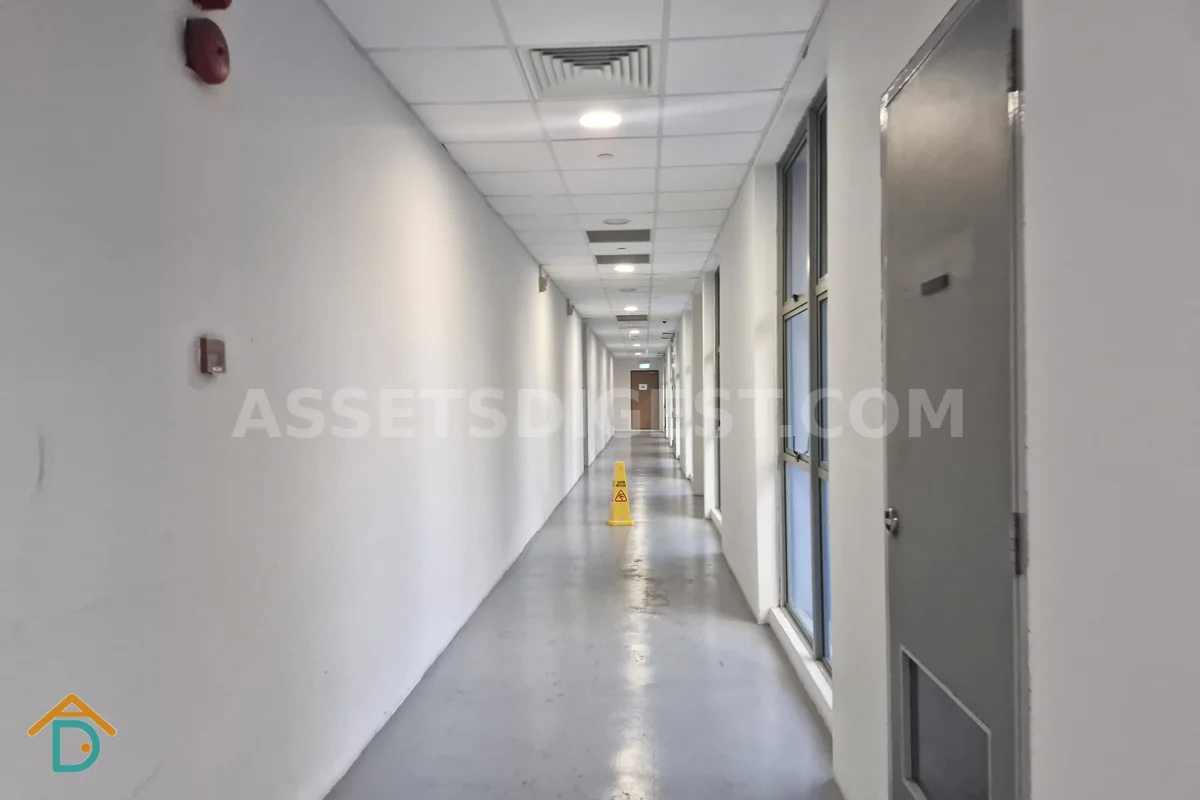
Assess corridor condition: whether it is clean, cluttered with goods or waste, or shows signs of deferred maintenance. Note neighbour unit types visible through doors or from the corridor. Check common area maintenance quality including lighting, flooring, and waste management. Look for visible pest control measures such as bait stations or fly screens, and assess whether these appear regularly maintained or recently addressed versus long-standing issues.
Ask for five minutes
Inquire with the building manager or landlord about neighbouring tenant types, any history of noise or odour complaints, and whether there have been disputes with previous tenants. The answers, and the willingness with which they are given, provide useful signal. A building manager who is forthcoming about historical issues is more credible than one who deflects all questions.
Red flags
Persistent strong chemical or food odours in common areas suggest neighbour activities that may generate complaints about your own operations. Goods or waste storage in corridors indicates building management weaknesses that affect fire safety and access. Heavy B2 activities in a building where B1 is predominant suggest latent complaint and enforcement risk. A dismissive building management attitude toward queries about neighbour issues suggests future problems will not be managed effectively. Evidence of water leakage in common areas or from upper floors points to building condition issues that may affect the unit being viewed.
Summary
Neighbour risk assessment during a viewing covers audible, olfactory, and visual observation of the building environment, combined with targeted questions to the building manager. Red flags include unexplained odours in common areas, corridor storage or maintenance neglect, mismatches between the building’s stated character and observed neighbour activities, and unresponsiveness to reasonable questions about complaint history. A 15-minute structured assessment before signing a lease can identify constraints that are difficult or expensive to resolve after taking occupancy.
For neighbour risk in the context of the full viewing checklist, see viewing checklist.
For understanding B1/B2 zoning implications on neighbour compatibility, see the B1 vs B2 zoning guide.
For zoning and use eligibility before committing to a unit, see the B1 vs B2 zoning guide.
References
[1] NEA — Environmental protection and odour complaints. https://www.nea.gov.sg/our-services/pollution-control/
[2] SCDF — Fire safety in industrial buildings. https://www.scdf.gov.sg/fire-safety-services-listing/fire-code-2023/table-of-content
[3] WSH — Workplace safety and health. https://www.wshc.gov.sg/
[4] BCA — Building Control. https://www1.bca.gov.sg/safety-and-standards/building-control-act/
[5] JTC — Industrial building management. https://www.jtc.gov.sg/find-space/
[6] URA — Development Control. https://www.ura.gov.sg/Corporate/Guidelines/Development-Control