

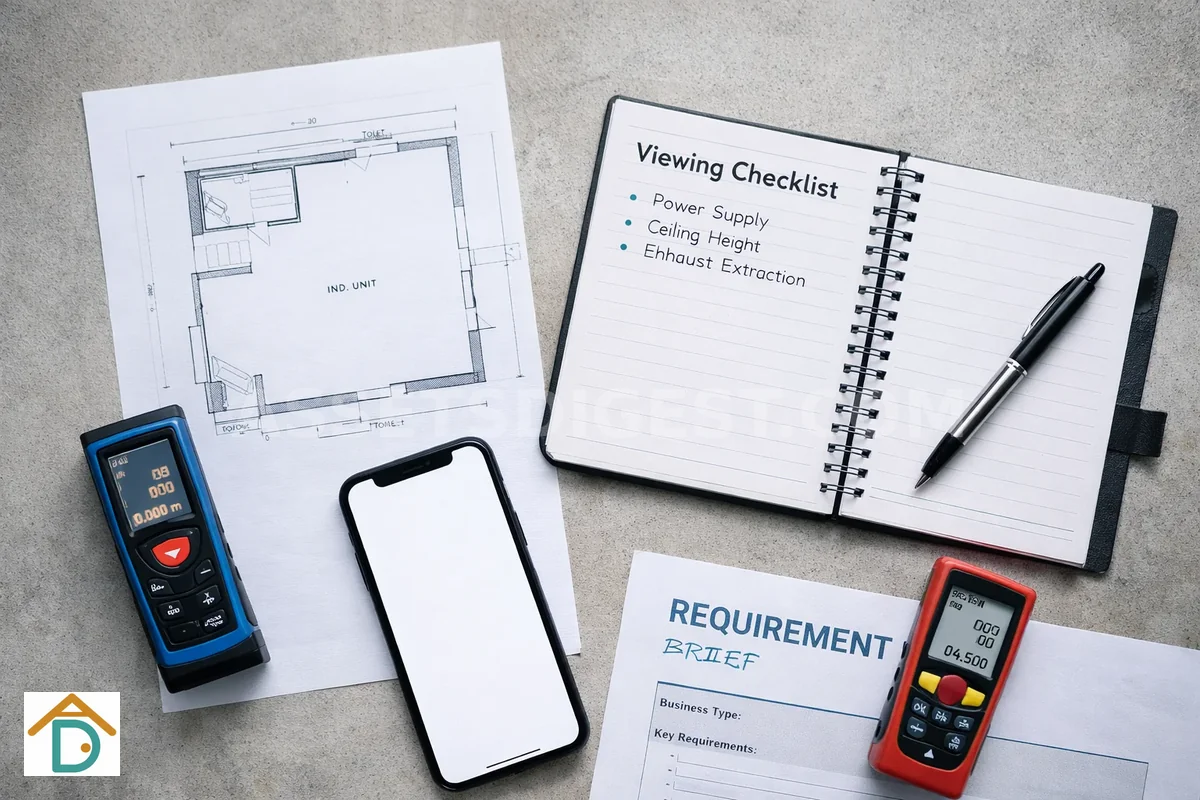
You can waste a week viewing units that will never work.
The usual reason is not rent. It is fit: the unit’s zoning intent, the building’s approved use, and the physical infrastructure (three things that rarely align by accident and that cannot be negotiated around once a lease is signed).
This guide gives you a practical matrix of common industrial business activities in Singapore, shows you what each activity typically requires in property-fit terms, and then walks through the verification step that determines whether the activity is actually permitted in the specific unit you are considering. The matrix is a filter, not a substitute for that verification.
Quick answer: not every business fits every industrial unit
In Singapore, what you can operate in an industrial unit depends on three layers:
- Zoning intent (often discussed as B1 vs B2)
- The unit or building’s approved use (what is recorded and permitted)
- Infrastructure capacity (exhaust, power, floor loading, drainage, fire safety constraints)
This matrix is general guidance. The verification step (approved use for that specific unit) is what determines whether the activity can actually operate there.
If you are new to B1 vs B2, start here: B1 vs B2 zoning guide.
Who this guide is for
- You are searching for industrial space and want to confirm fit before you view.
- You are comparing multiple units and need a fast filter.
- You are an ops manager who must avoid compliance surprises after signing.
- You are a landlord or property manager doing tenant screening.
How to read the activity matrix
Each row has five parts:
- Business activity: a practical label.
- Typical zoning fit: B1, B2, or either (depends on scale and impact).
- Infrastructure watch-outs: the physical constraints that can block a use even when zoning appears suitable.
- Common regulatory touchpoints: the agencies that typically have oversight.
- Notes: the key factors and common mistakes.
Use the matrix as a starting point:
- Find your closest activity.
- Note the infrastructure watch-outs.
- Use those watch-outs to narrow your viewing list to buildings that can physically support your needs.
- Verify approved use for the exact unit before committing.
The activity matrix
| Business activity | Typical fit | Infrastructure watch-outs | Regulatory touchpoints | Notes |
|---|---|---|---|---|
| Electronics assembly (clean) | B1 | 3-phase power, ESD protection | URA | Usually low emissions. Soldering fumes and power draw still need assessment. |
| Precision engineering (small parts) | B1 / B2 | power supply, floor loading, vibration | URA Building mgt | Vibration is often the limiting factor in multi-tenant B1 buildings. |
| Plastics injection moulding | B2 | high power, fumes, heat, cooling | NEA ISC URA/JTC | Heat, odour, and power requirements typically push this to B2. |
| Metal stamping / fabrication | B2 | floor loading, vibration, power | NEA ISC URA/JTC | Noise and vibration combined with heavy stock handling. |
| Central kitchen (hot cooking) | Often B2 | heavy exhaust, grease management, drainage | SFA NEA SCDF | Exhaust route and grease management are the common blockers, not licensing. |
| Food processing (packing, low-odour) | B1 / B2 | wash areas, cold chain, exhaust | SFA URA | Scale and process description determine fit. |
| Bakery (wholesale) | B1 / B2 | oven exhaust, flour dust control | SFA NEA | Small-scale with good filtration can be viable. High-volume behaves like heavier use. |
| Beverage bottling (non-alcoholic) | B1 | water, drainage, storage, power | SFA | Zoning is usually straightforward. Utilities and drainage are the practical constraints. |
| Chemical blending / mixing | B2 | hazardous material storage, ventilation, bunding | SCDF NEA URA/JTC | Treat as B2 from the start. Forcing this into B1 is not viable. |
| Woodworking / carpentry | B2 | dust extraction, noise control | NEA ISC SCDF | Wood dust and finishing solvents are the primary risk drivers. |
| General warehousing / fulfilment | B1 / B2 | loading access, racking, fire load | URA | Warehouse descriptions can be constrained by the approved-use record and allowed ratios. |
| Cold room / chiller logistics | B1 / B2 | high power, heat rejection, floor loading | URA | Power capacity and condenser placement rules are the common blockers. |
| Hazardous goods storage | B2 only | containment, fire safety, segregation | SCDF NEA | Requires purpose-built facilities. Not all B2 units are suitable. |
| R&D lab (wet chemistry) | B1 / B2 | fume hoods, chemical storage | NEA ISC SCDF | Small analytical labs typically fit B1. Pilot or scale-up production requires B2. |
| 3D printing / prototyping | B1 | ventilation for resins, power | URA | Resin or solvent use changes the profile significantly. Verify with full process details. |
| Showroom (ancillary to industrial) | B1 / B2 (ancillary limits apply) | visitor traffic, office/showroom ratio | URA Use Quantum | Showroom area can quickly exceed ancillary limits and trigger compliance issues. |
| Equipment repair workshop (light) | B1 | noise, small solvents, waste handling | URA | The limiting factors are usually cleaning chemicals and noise output. |
| Vehicle workshop (repairs/servicing) | Often B2 | waste oil, solvents, noise, traffic flow | NEA Building rules | Even where zoning permits this, estates and buildings typically restrict it due to nuisance potential. |
Category indicators: Light Mfg Food Heavy Mfg Storage / Logistics Tech / R&D Services Hazardous
Activities that commonly cause confusion
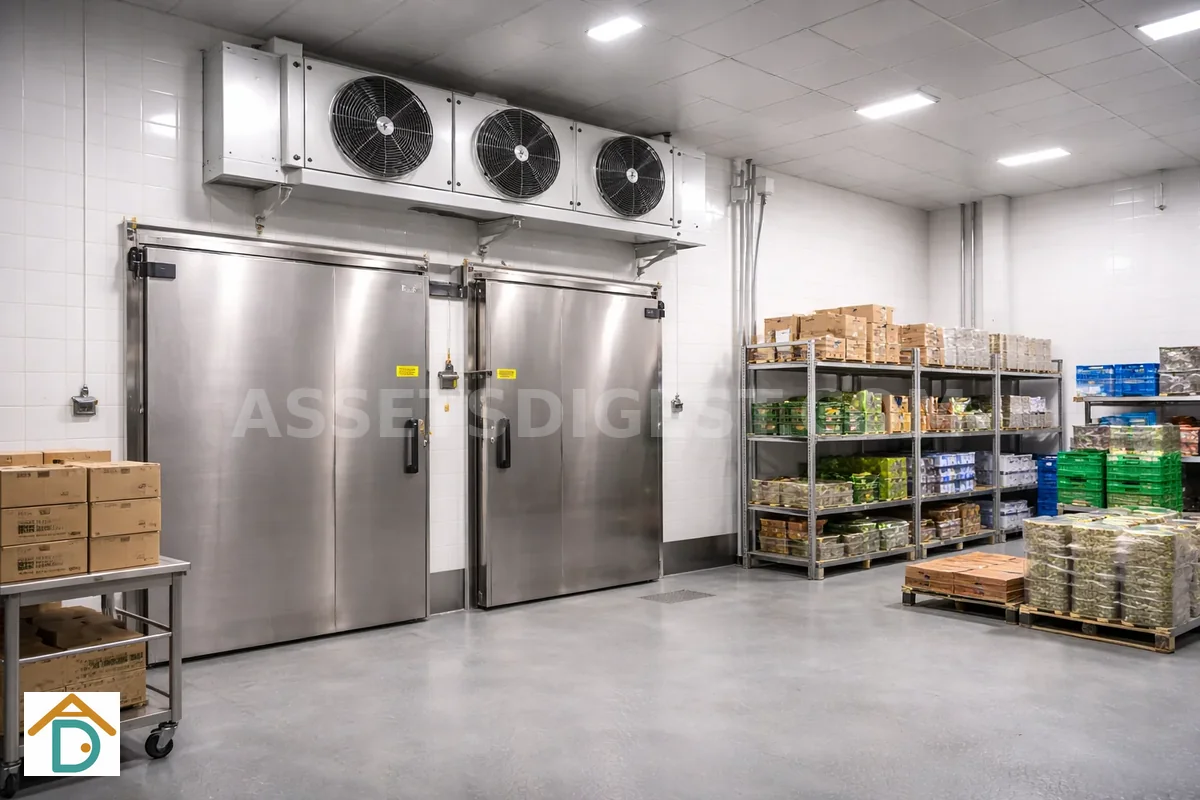
These are the cases where the same activity label can mean very different things operationally. The label isn’t the answer. The operational profile is.
Cloud kitchen vs central kitchen
Both involve food preparation. Both come with infrastructure and licensing requirements. What changes is scale and intensity.
- A cloud kitchen still cooks. Cooking drives exhaust, grease, odour control, and fire safety.
- A central kitchen often has batch production and heavier M&E needs.
What matters is not the business model. It’s whether the cooking process involves open flame, significant steam, grease-laden exhaust, or batch cooking that increases fire load. If any of these are present, the infrastructure requirements are the same regardless of whether the output goes to a delivery platform or to owned outlets.
If you are evaluating this use, see the cloud kitchen and central kitchen constraints guide.
Warehouse vs logistics vs storage plus something
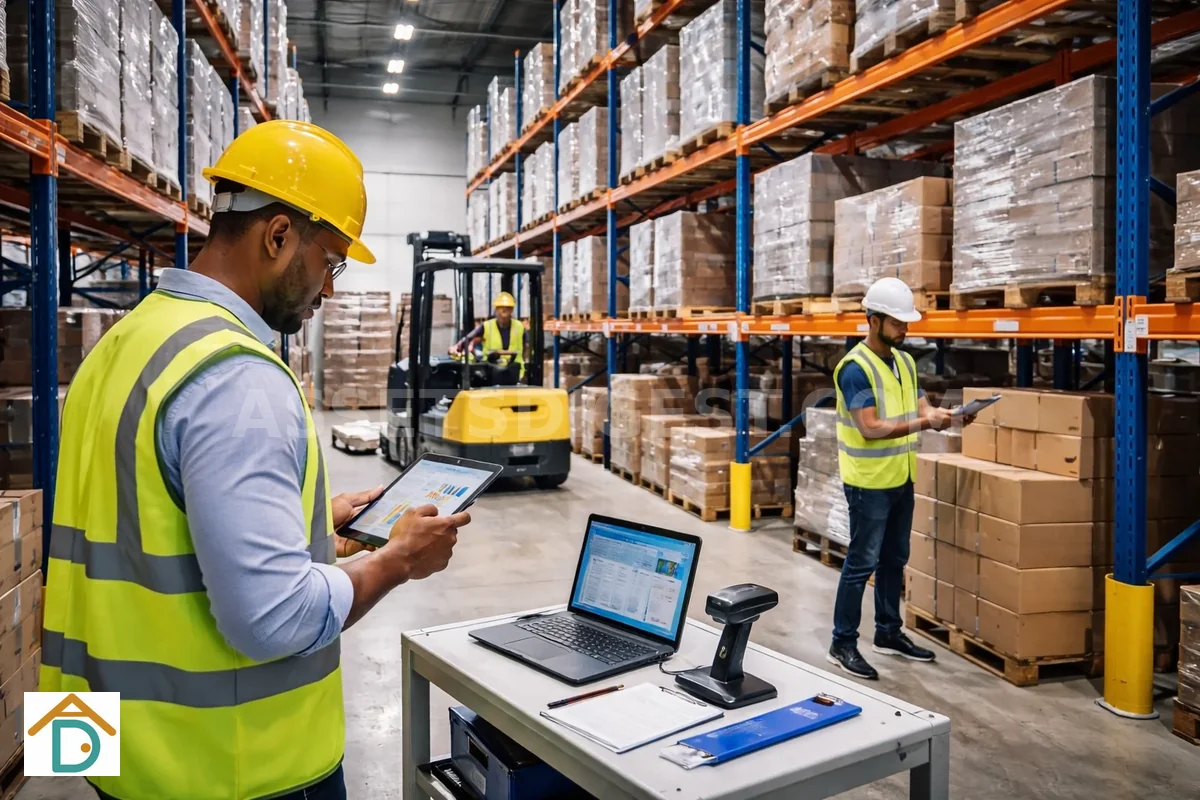
Storage can be a simple low-impact use, or it can mask higher-intensity activity:
- late-night loading and forklift operations
- cold rooms and refrigeration plant
- repacking, labelling, or light assembly
- hazardous storage of flammable or combustible goods
The approved use record matters here. A warehouse described as “general storage” that runs a cold room, frequent forklift traffic, and 24-hour operations is not the same as a warehouse with standard pallet storage and daytime access only. Be specific about operating patterns when submitting use descriptions.
If you need a cold room, see the cold room and chiller requirements guide.
R&D lab vs production
A lab that does small-scale analytical testing fits differently from a pilot line that produces batches for sale. The dividing line is whether the output is for internal development or for commercial distribution.
The practical question to ask: are you testing, or are you making?
If the activity involves scale-up, repeated production runs, or output that leaves the premises for customers, it typically moves away from R&D and toward production classification.
Showroom and retail-like activity
Showrooms are often treated as ancillary uses. The ratio and public-facing nature of the activity is what causes problems.
A showroom that occupies 30% of the unit with occasional visitor appointments is different from one that occupies 60% of the unit with prominent product displays, cash registers, and regular walk-in traffic. The first is typically ancillary. The second starts to look like retail.
URA’s Use Quantum guidance is the starting point for how landlords and managers assess this ratio.
Precision machining vs general machining
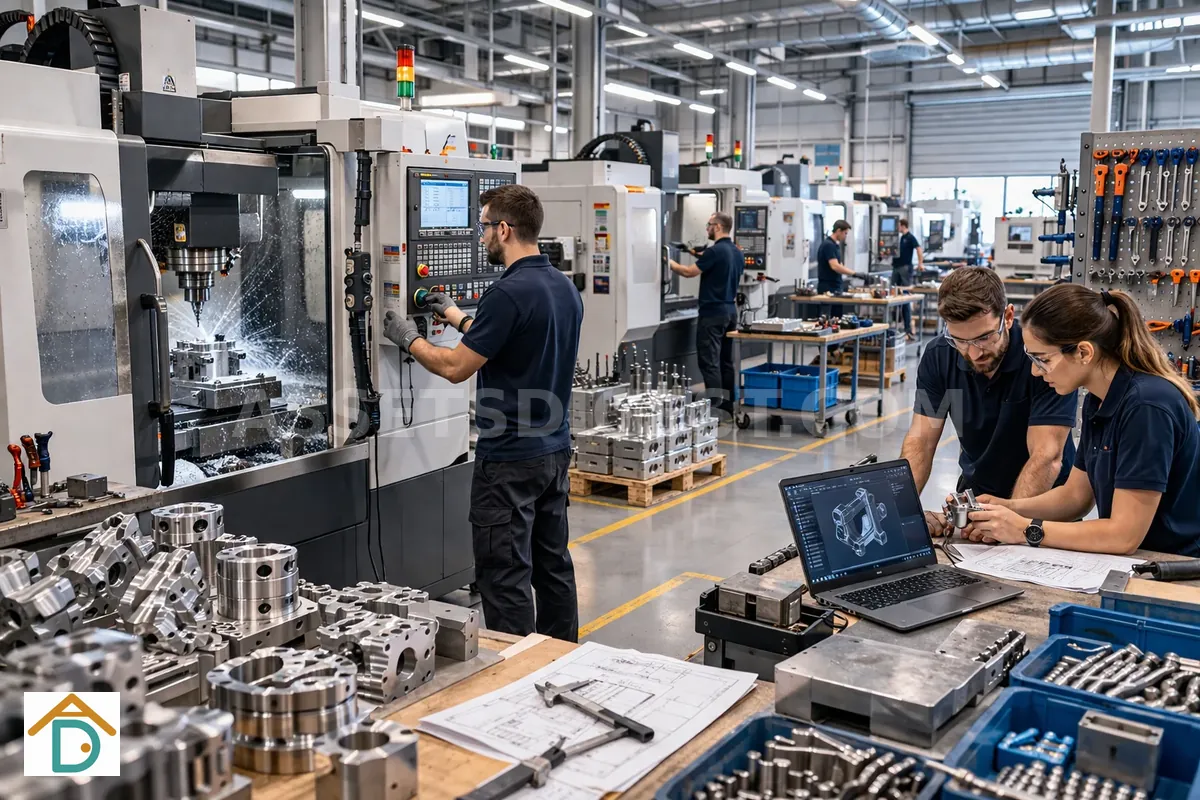
The label “machining” covers a wide range. A small CNC lathe doing prototype parts for aerospace clients is a different proposition from a full workshop with multiple machines, metalworking fluids, coolant systems, and heavy chip removal.
The factors that move machining from B1 to B2 include:
- continuous versus batch operations
- coolant or cutting fluid systems that generate liquid waste
- grinding or finishing operations that create dust or fumes
- vibration transmission to neighbouring units in multi-tenant buildings
If you are looking at precision machining, see the heavy equipment and machining requirements guide.
Chemical storage vs chemical processing

Storage of commercially packaged chemicals (off-the-shelf cleaning agents, maintenance supplies) is treated differently from chemical blending, mixing, or repackaging operations.
If your operation involves opening, mixing, heating, or otherwise processing chemicals (even at small scale), the classification shifts. See the hazardous materials basics guide for the property-fit implications.
How to use the matrix when searching for space
The matrix is most effective as a pre-viewing filter, not a post-viewing reference. The workflow is sequential: classify your activity first, then narrow the building type, then check infrastructure, then verify the specific unit.
4-step process: match your activity to the right space
Noise, vibration, emissions, fire load, power draw, hazardous materials. Write down the actual equipment list and process steps.
B2 activities → B2 estates only. Filter by neighbour profile too. A building's existing tenant mix affects what management will accept.
Exhaust routing, power capacity, floor loading, drainage, delivery access. These cannot be negotiated around.
Use URA's approved-use enquiry tools for the specific address. If intended use differs, submit a formal enquiry before committing.
Step 1: classify your activity by operational impact
The classification question is not “what is my business called?” It is “what does my operation actually do in physical terms?” Noise, vibration, emissions, fire load, power draw, and hazardous materials are the drivers. Write down the actual equipment list and process steps before you start viewing. If you cannot describe the process clearly, you will not be able to identify which units could plausibly support it.
For Singapore industrial space, the two most consequential physical distinctions are: whether the operation generates vibration that could transmit to neighbouring units, and whether it produces exhaust, odour, or heat that requires an exhaust route to roof level. Most other constraints (power phase, floor loading, drainage) are measurable once you know what to ask for.
Step 2: shortlist zoning and building type
Once you have the operational profile, the zoning filter is straightforward. B2 activities (anything with meaningful noise, vibration, or exhaust output) should only be viewed in B2 estates or buildings with B2 approved-use records. B1 buildings with B2 activities create ongoing compliance exposure, regardless of what the landlord says is possible.
The secondary filter is neighbour profile. A precision machining operation in a building full of electronics assembly tolerates different noise and vibration levels than one sandwiched between a bakery and a cold-room refrigeration plant. The building’s existing tenant mix affects what the management will accept.
Step 3: shortlist by infrastructure before zoning details
Before debating whether B1 or B2 is the right fit, eliminate units that fail on physical infrastructure. These cannot be negotiated around:
- Exhaust route and discharge height: Is there a viable path to roof level? What is the shaft capacity? An exhaust duct that terminates at the side of a building at third-floor level creates a nuisance complaint even if the activity itself is permitted.
- Power capacity and phase: Is 3-phase available? What is the allocated capacity for the unit? Can upgrades be arranged within your projected fit-out timeline? In older estates, power upgrades can take three to six months.
- Floor loading and vibration isolation: What is the rated floor loading for the level you are considering? Are vibration-sensitive processes or neighbours present? In multi-storey flatted factories, floor loading on upper floors is typically 10–15 kN/m²; ground floor is usually higher.
- Drainage and trade effluent: Does your process generate wastewater that requires grease traps, floor traps, or NEA trade effluent approval? This is a common blocker for food operations that is discovered after signing.
- Access for deliveries and equipment installation: Can your equipment fit through doorways and goods lifts? Is a ramp-up building needed for heavy delivery? For a 5-axis CNC or injection moulding press, this is a floor-loading and access issue combined.
If a unit fails any of these, move on. No amount of lease negotiation resolves a fundamental physical mismatch.
Step 4: verify approved use for the exact unit
This is the step that closes the loop. Use URA’s approved-use enquiry tools for the specific unit address. If the approved-use record does not clearly cover your activity, or if the building manager’s description conflicts with the record, submit a formal enquiry before committing. This is not a formality: approved-use records have blocked activities that seemed fully compliant on paper.
If your intended use differs from what is approved, refer to the change-of-use guide for the process, and factor the timeline into your relocation planning.
When your activity is not listed
Use this approach:
- If the activity creates meaningful emissions, odour, dust, significant noise or vibration, or hazardous material risk, treat it as likely B2 until formally verified.
- If the activity is clean, quiet, and mainly assembly, testing, or packing, treat it as likely B1, then verify approved use.
- If the activity falls in a grey zone, verify approved use first, then decide whether a formal enquiry is needed.
What to take away from this

The matrix works as a starting filter, but fit is determined by the specific unit’s approved-use record and infrastructure profile, not the general zoning classification. In practice, the operators who avoid costly surprises are the ones who run through this sequence before signing: classify the activity by operational impact, check the physical infrastructure against those requirements, then verify the approved-use record for the exact address. Skipping the infrastructure step is the most common mistake; operators who pass the zoning filter but fail on exhaust routing, power capacity, or floor loading end up with remediation costs or non-compliance issues after handover.
The second most common mistake is treating the approved-use record as a formality. It is a legal constraint. If the activity is not clearly covered, submit a formal enquiry before committing.
For the B1/B2 zoning distinction, see the B1 vs B2 zoning guide.
For specific activity guides, see:
- Cloud kitchen and central kitchen constraints
- Cold room and chiller requirements
- Heavy equipment and machining requirements
- Hazardous materials basics
- Scaling from workshop to factory
Before shortlisting units, complete the tenant readiness checklist.
References
[1] URA — Business 1 (Industrial): Introduction. https://www.ura.gov.sg/Corporate/Guidelines/Development-Control/Non-Residential/B1/Introduction
[2] URA — Business 2 (Industrial): Introduction. https://www.ura.gov.sg/Corporate/Guidelines/Development-Control/Non-Residential/B2/Introduction
[3] URA — Business 1 (Industrial): Use Quantum (ancillary uses and limits). https://www.ura.gov.sg/Corporate/Guidelines/Development-Control/Non-Residential/B1/Use-Quantum
[4] URA eService — Enquiry on Approved Use of Premises. https://eservice.ura.gov.sg/EnquiryOnApprovedUse/
[5] NEA — Industrial Siting Consultation (ISC). https://www.nea.gov.sg/our-services/development-control/guidelines-for-building-plan-submission/industrial-siting-consultation
[6] SCDF — Fire Code 2023: Appendix 01 (Fire Safety Report). https://www.scdf.gov.sg/fire-safety-services-listing/fire-code-2023/table-of-content/appendix-01/appendix-01-fire-safety-report
[7] GoBusiness — URA: Change of Use Approval. https://licensing.gobusiness.gov.sg/licence-directory/ura/change-of-use-approval
[8] SFA — Licence/registration for food manufacturing and storage (requirements). https://www.sfa.gov.sg/food-manufacturing-storage/licence-registration/requirements-for-licence-registration-for-food-manufacturing-storage
[9] JTC — Changing the use of your industrial property. https://www.jtc.gov.sg/get-help/managing-your-tenancy-or-lease/changing-the-use-of-your-industrial-property