

The scenario from the parent guide plays out regularly: a tenant signs an LOI for a B1 unit, tells the landlord the business is “food processing,” and then discovers during fit-out that what they actually need — cooking, exhaust, grease traps — is treated as a heavier use than the building can support. The classification question is not abstract. It determines whether the unit works at all.
This post walks through 10 common business types and how each typically classifies under B1 or B2, with the reasoning behind the call. Use it as a first-pass filter before shortlisting buildings.
Why classification depends on operational impact
B1 and B2 classification is not based on business name or size. A fulfilment centre can mean quiet packing at desks or loud forklift operations at night. Classification depends on noise, emissions and odour, fire load, and hazardous material profile, plus what the building can physically support.
These 10 examples help reason through the classification logic. They are not rulings. The final answer comes from the unit’s approved use record and, when needed, a formal enquiry.
Why classification is not always obvious
Scale changes the profile. One machine can be contained. Ten machines change noise, vibration, and waste handling.
The highest-impact component dominates. If 80% of the unit is storage but cooking happens in the back, the unit behaves like a cooking operation.
The full framework and verification workflow is covered in the B1 vs B2 guide.
The 10 businesses
Treat each typical classification as a first-pass filter only.
1) E-commerce fulfilment centre
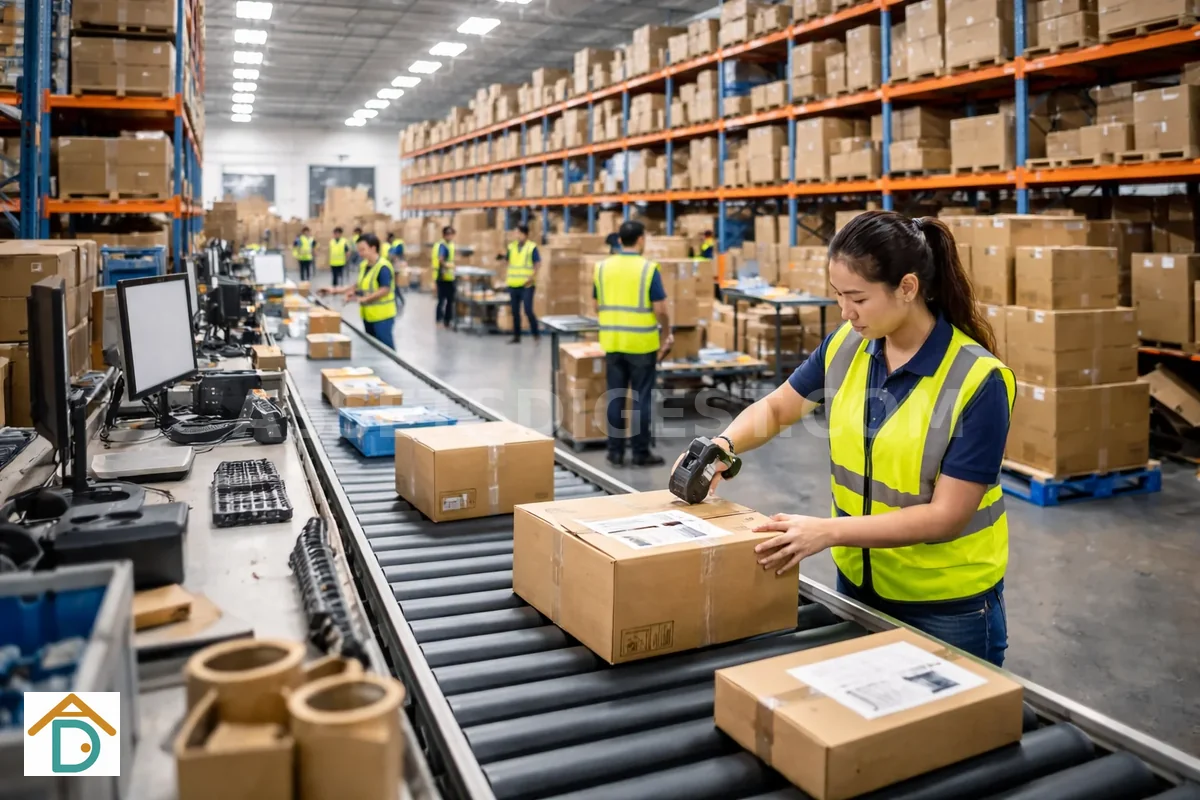
- Typical fit: B1
- Why: Mostly storage, packing, and dispatch. Usually low emissions.
- Caveats: Heavy forklift traffic, late-night loading, or high stacking and racking can change fire load and building acceptance.
2) Craft brewery or distillery

- Typical fit: B2
- Why: Heat processes, odour, cleaning discharge, and higher infrastructure needs.
- Caveats: Small scale does not automatically mean B1. Odour, exhaust routing, and wastewater handling are the usual blockers.
3) CNC machining workshop
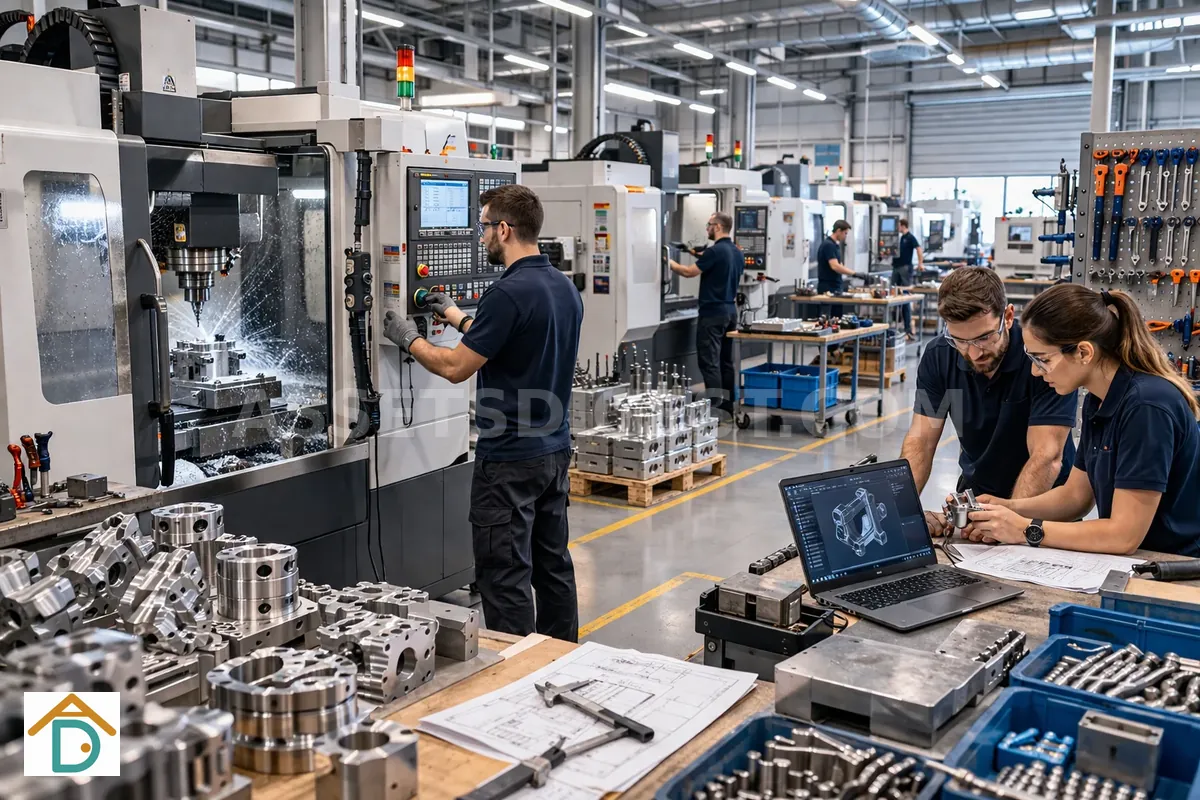
- Typical fit: Case-by-case
- Why: Noise and vibration are the deciding factors, not the precision nature of the work.
- Caveats: Enclosures, vibration isolation, and operating hours matter. A multi-tenant B1 building can still reject it if neighbour impact is expected.
4) Central kitchen

- Typical fit: Often B2
- Why: Exhaust, grease, odour control, drainage and grease trap requirements, and fire load.
- Caveats: Some low-heat preparation operations are lighter, but once cooking is involved, the default is to treat it as heavier until formally verified.
5) 3D printing or prototyping lab
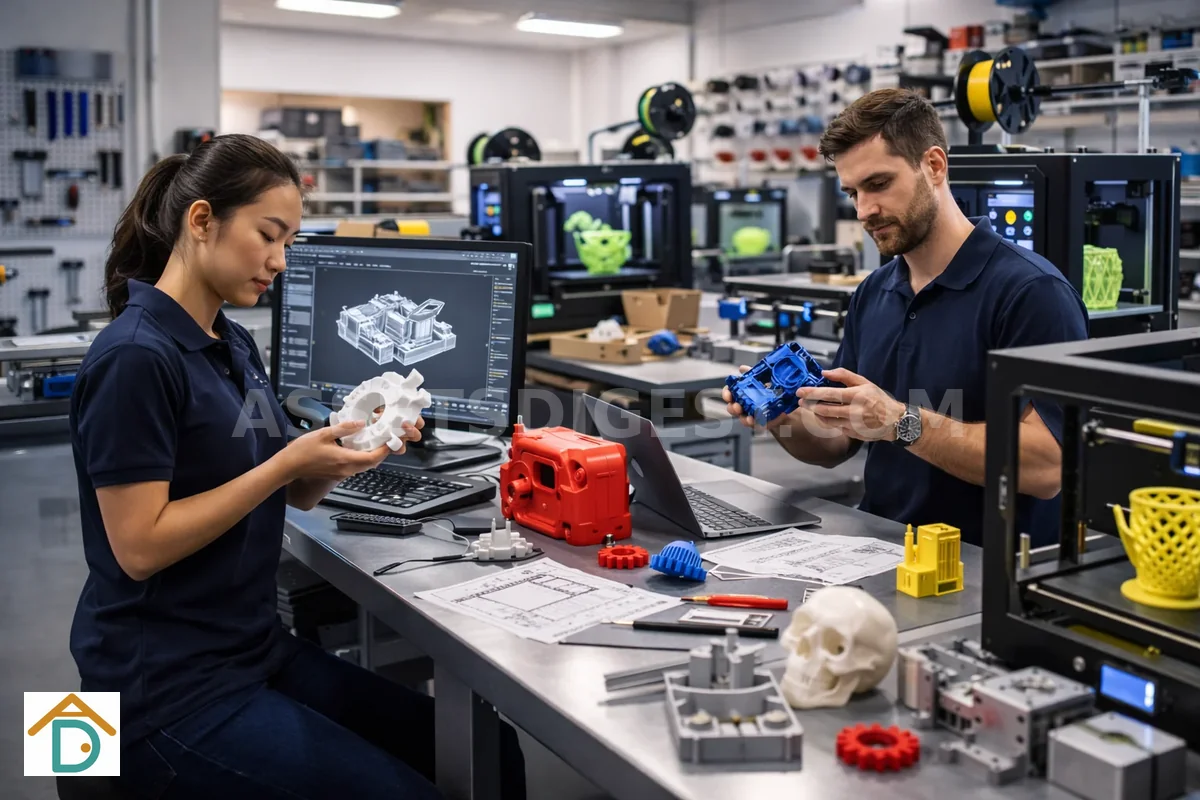
- Typical fit: B1
- Why: Many setups are low-impact.
- Caveats: Resin-based printing and solvent cleaning may require ventilation and stricter controls. Metal or powder printing shifts the risk profile.
6) Textile or garment workshop
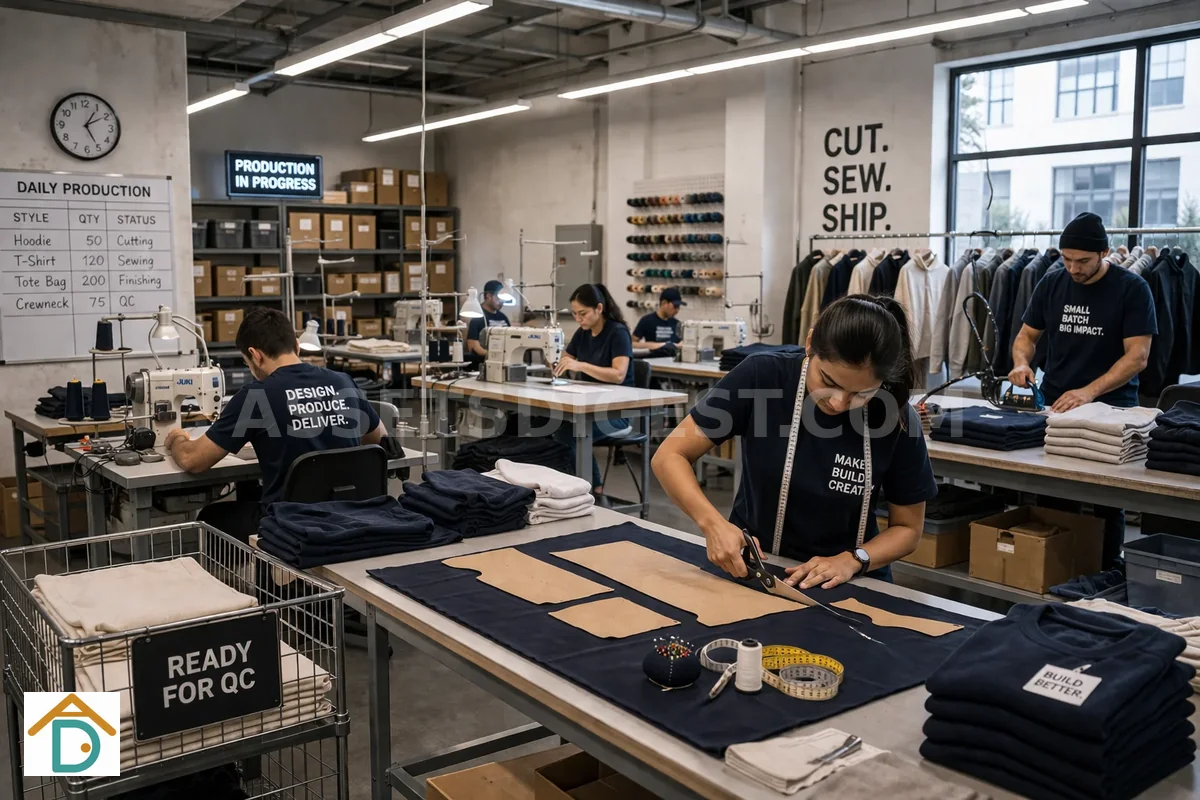
- Typical fit: B1
- Why: Cutting and sewing is typically low noise and low emissions.
- Caveats: Dyeing, solvent use, or heavy finishing moves it into a different impact category.
7) Electronics assembly

- Typical fit: B1
- Why: Usually clean and controllable.
- Caveats: Chemical baths, plating, or poorly controlled solder fume extraction changes the assessment.
8) Chemical blending

- Typical fit: B2
- Why: Hazardous material storage and emissions risk are central, even at smaller scale.
- Caveats: Lab scale does not automatically mean B1. Verification and specialist advice are normal here.
9) Cold storage or temperature-controlled logistics
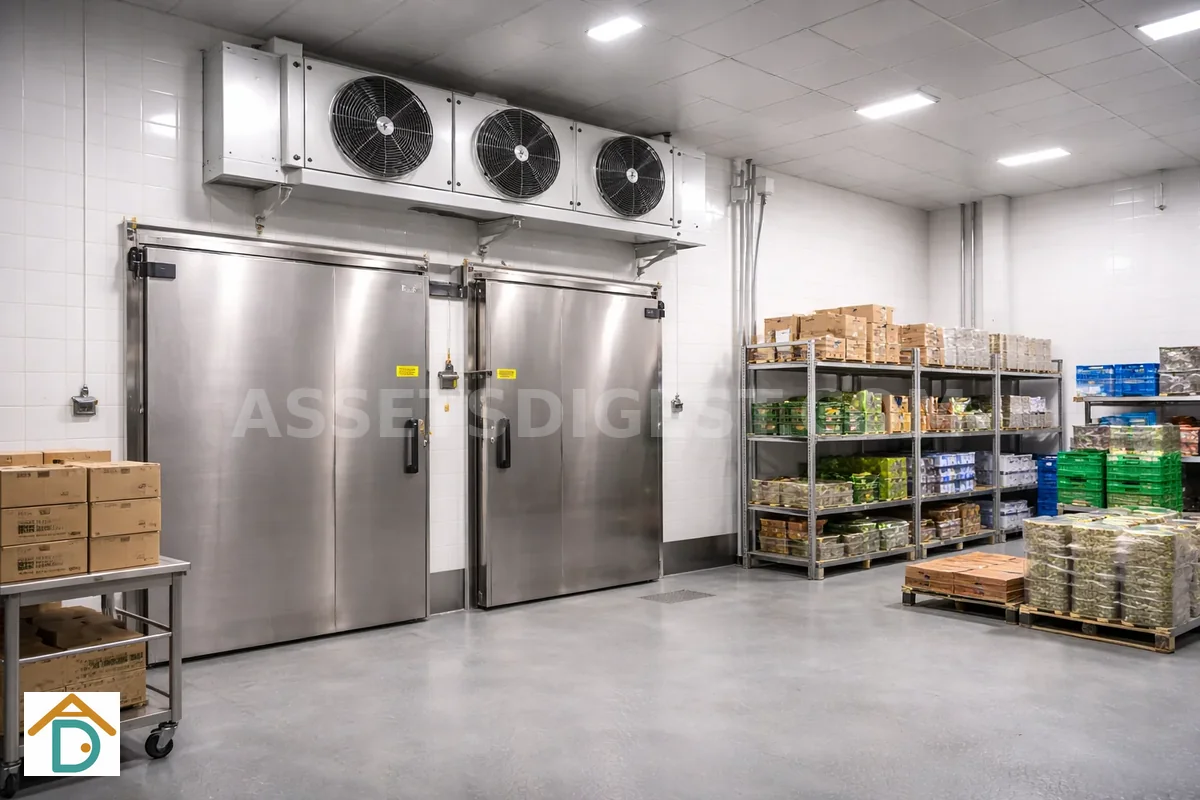
- Typical fit: B1 or B2
- Why: The storage itself can be low-impact. Constraints are usually power capacity, condenser heat rejection, and what is stored.
- Caveats: Large refrigeration loads, restricted condenser placement, or hazardous refrigerants increase complexity.
10) Furniture carpentry workshop
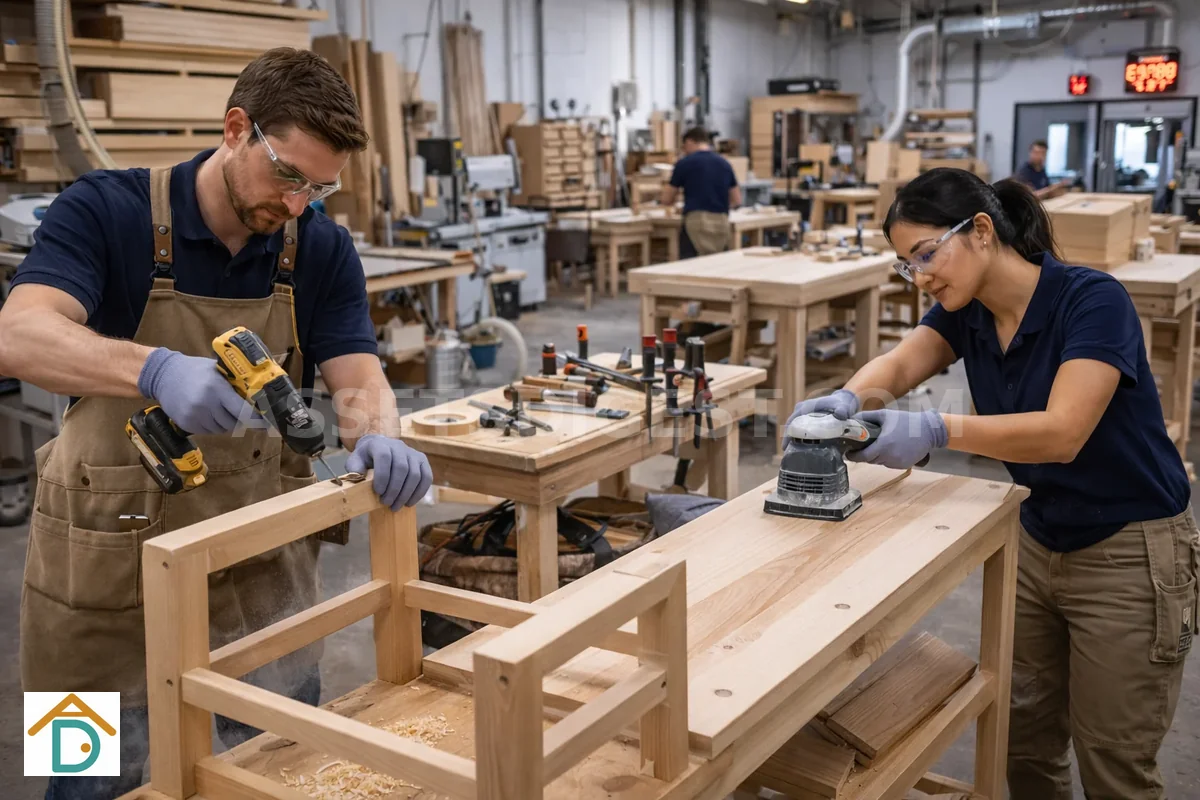
- Typical fit: B2
- Why: Dust, noise, and finishing solvents.
- Caveats: A workshop doing only assembly of pre-cut parts with no cutting and no spray finishing can be lighter, but that is not the common case.
When a business straddles both
When an operation mixes activities, classify based on the highest-impact component. A warehouse with a small cooking line is still a cooking operation from an infrastructure and fire safety perspective.
Where the activity is borderline, verify the unit’s approved use using URA’s approved-use enquiry tools. If the answer is unclear, consider the formal approved-use enquiry pathway.
Checklist — Classifying your own business
Before committing to a unit, run through these questions:
- Is the primary activity clean and low-emission, or does it involve cooking, combustion, chemicals, or significant noise and vibration?
- Are there any ancillary activities that could push the overall impact profile higher?
- Does the building’s approved use record explicitly cover my activity?
- Have I submitted a formal enquiry to URA if the classification is borderline?
- Have I confirmed the building’s physical infrastructure (exhaust routing, power, floor loading) can support my operation?
For more activities and the full decision matrix, see the activity matrix guide. To check your readiness before approaching a landlord, use the tenant readiness checklist. For pre-renovation compliance checks (if you are already in the unit and planning fit-out), see the compliance pre-renovation checklist.
References
[1] URA — Business 1 (Industrial): Introduction. https://www.ura.gov.sg/Corporate/Guidelines/Development-Control/Non-Residential/B1/Introduction
[2] URA — Business 2 (Industrial): Introduction. https://www.ura.gov.sg/Corporate/Guidelines/Development-Control/Non-Residential/B2/Introduction
[3] NEA — Industrial Siting Consultation (ISC). https://www.nea.gov.sg/our-services/development-control/guidelines-for-building-plan-submission/industrial-siting-consultation
[4] SCDF — Fire Code 2023: Appendix 01 (Fire Safety Report). https://www.scdf.gov.sg/fire-safety-services-listing/fire-code-2023/table-of-content/appendix-01/appendix-01-fire-safety-report
[5] URA eService — Enquiry on Approved Use of Premises. https://eservice.ura.gov.sg/EnquiryOnApprovedUse/
[6] GoBusiness — URA: Change of Use Approval. https://licensing.gobusiness.gov.sg/licence-directory/ura/change-of-use-approval